
Roofing for Homeowners: What You Should Know About Protection, Materials, and Maintenance
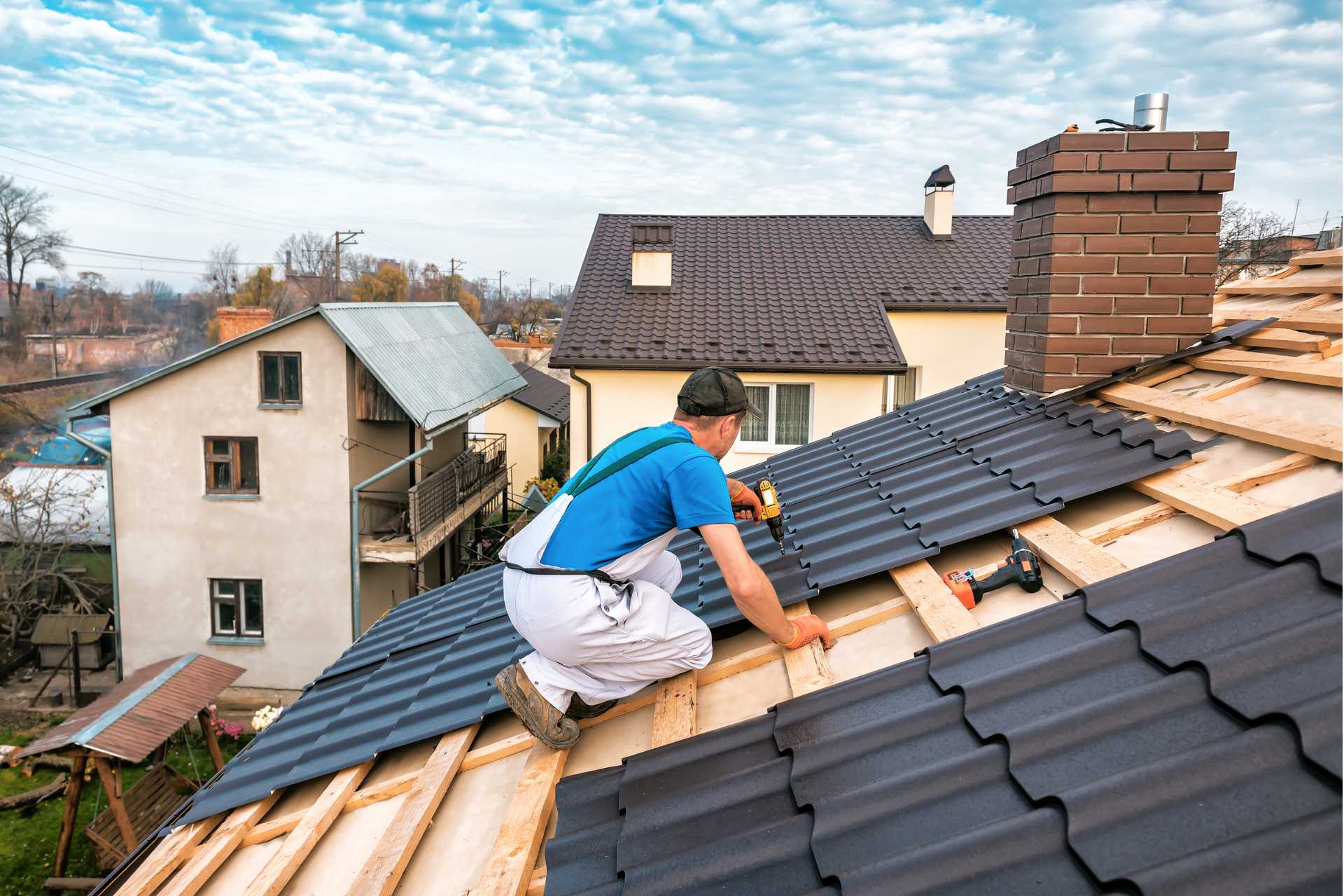
Your home is not simply a house. It’s your sanctuary. An investment. The place where your family has made the best memories. Your roof is the silent champion, standing watch and working hard to keep the elements at bay. Surprisingly, most homeowners know very little about Roofing and what it takes to maintain this key system in peak shape for something so important. Whether you are building a new house, replacing an existing roof or just looking to get more out of your current roof, knowing the basics is key to making informed choices that will protect your home and your pocketbook.
What Comprises a Roofing System?
When we mention Roofing, we’re not just talking about the shingles you see from the street. A roofing system is a complicated and integrated system that is meant to deal with water , temperature and structural integrity . It normally consists of several layers: the deck (the wooden basis), an underlayment (waterproof barrier), and the outer covering (shingles, tiles or metal). Proper ventilation and insulation work together to reduce moisture accumulation and energy expenditures. Not properly installing any one of these components might damage the overall system, causing it to fail early and requiring costly repairs.
Selecting the Right Roofing Material
Selecting the proper material is one of the most critical decisions you will make as a homeowner. Different climates, different architectures and different budgets require different solutions. Here’s a rundown of the most common Roofing materials out there today:
1. Asphalt Shingles — The most popular alternative in North America, asphalt shingles provide a great combination of cost, durability, and ease of installation. They come in a wide range of hues and can seem like more expensive materials like wood and slate. Properly maintained, a decent asphalt shingle roof can endure from 20 to 30 years.
2. Metal Roofing - Metal Roofing is popular for residential applications, formerly utilized mostly on barns and commercial buildings. It is very durable, fire resistant and lasts between 40 and 70 years. Modern metal roofs come in standing seam or shingle-style panels and reflect solar heat, which can greatly cut cooling expenses in warmer climates.
3. Wood Shakes and Shingles — Wood is still a front-runner for a natural, rustic look. Cedar, redwood, and pine are popular. Beautiful but Wood Roofing needs constant maintenance to prevent rot, insect infestation and moss growth. Also not advised in places susceptible to wildfires
4. Slate and Tile — For elegance and endurance, slate and clay or concrete tiles are hard to beat. Heavy materials, yet can survive over a hundred years with good care. However, their weight necessitates a sturdy structural support system and installation cost is much more than other solutions.
5. Synthetic Products - The materials science field has made advances in synthetic slate and shake products that appear like natural products but are lighter and need less upkeep. They consist of rubber or plastic composites and are becoming a popular middle-ground alternative for homeowners who want durability with less maintenance.
Important Questions to Ask Before You Install a New Roof
Before you make an investment in a new installation, consider a few key concerns beyond aesthetics:
What is the climate like in your region? residences in hurricane areas need impact-resistant materials, while residences in the Northeast require roofing that can hold up to freeze-thaw cycles.
What’s your budget? * It’s tempting to go for the cheapest choice, but remember that Roofing is a long term investment. Sometimes, spending more up front leads to higher longevity and cheaper maintenance cost in the long term.
What style is your home? Metal panels can look stunning on a modern home but a Victorian property usually has to have slates or wood shakes to maintain the character of the home.
Are there any HOA restrictions? Before making a final selection, verify your covenants many neighborhoods have specific requirements about color, material and style.
Why You Should Use a Professional to Install
One of the most typical mistakes homeowners make is underestimating the intricacy of the Roof installation. This is not a do-it-yourself project. Improper installation can void material warranties, cause leaks and create safety hazards. A competent Roofing contractor delivers expertise in local building codes, suitable flashing procedures and ventilation requirements. More importantly, they carry liability insurance and workers' compensation so you won't be responsible for any financial burden should an accident occur on your site. Always hire licensed, bonded and insured contractors. Don't be afraid to ask for references and proof of insurance.
How To Tell If Your Roof Is Failing
Even the most long-lasting Roofing systems have a finite lifespan. Being aware of the warning indications of aging or damage can prevent you from severe water damage inside your home. Watch out for these red flags:
If shingles are curling or missing, it means the granules are wearing out and the integrity of the shingle is threatened.
Gutter granules: Asphalt shingles lose granules over time. If you notice large amounts in your downspouts, your roof is nearing the end of its lifespan.
Interior water stains. If you notice dark patches on your ceiling or walls, you can be sure that moisture is making its way to your roof deck.
Sagging Areas A sagging roof line means structural trouble. Sometimes moisture can be trapped inside and rot out the decking or support beams.
Increased energy bills: Increased cooling and heating costs can be an indication of inadequate roof ventilation or insulation.
If you see any of these problems, don’t wait. Small leaks can cause mold to grow, destroy insulation and even harm the structure if you don’t catch them.
Roof Maintenance Tips for a Longer Lasting Roof
The health of your roof depends greatly on the care you provide it. Here are some proactive things you may do to prolong the life of your Roofing system:
1. Clean Gutters: Clogged gutters cause water to back up and seep beneath the shingles. If you have trees overhanging your roof, clean out your gutters at least twice a year, or more often if necessary.
2. Trim Overhanging Branches: Tree limbs can scratch and damage shingles in a storm, and they drop leaves and other debris that holds moisture, enabling moss and algae to grow.
3. Schedule Annual Inspections Ideally, you want your system inspected by a professional roofer twice a year – once in the spring and once in the fall. They can catch little problems, like loose flashing or old caulking, before they turn into big problems.
4. Kill Moss and Algae Fast: When the weather is humid, moss can grow on roofs, lifting shingles and letting water seep in. Wash moss with a particular solution. Do not power wash, since the high-pressure water will peel granules off shingles.
5. Make Sure Your Attic Is Well Ventilated: Proper air movement keeps your roof cool in the summer and helps prevent ice dams in the winter. Check for insulation blocking your soffit and ridge vents.
What the Future Holds for Roofing
The roofing sector is changing rapidly. Sustainable materials like as recycled metal and cool roofs that reflect sunlight to prevent heat absorption are in demand by environmentally aware homeowners. Solar tile technology, like Tesla’s Solar Roof, is also becoming more accessible, allowing roofs to generate power while still looking like a traditional roof. As smart home technology progresses, we are also seeing sensors that can monitor the health of a roof and warn homeowners to leaks or damage in real-time. These advances are expected to make roofs smarter, greener and longer lasting.
The Bottom Line
Your Roof, Your Home, and Your Peace of Mind.
Your roof is your first line of defense against the elements, and a well-maintained system offers more than simply shelter; it offers peace of mind. Staying on top of materials, recognizing the indications of wear and tear, and investing in competent installation and maintenance is key to keeping your house safe and beautiful for years to come. Remember, when it comes to roofing, a stitch in time saves nine.
Homeowners' Final Checklist:
Schedule an inspection with a pro this season.
Clear the gutters and downspouts.
Check your attic for light or moisture.
Before you hire, verify your contractor’s credentials.
Record the age and material warranty of your roof.
If you do it now, it can save you hundreds of dollars the next day. Your roof has one task, let's make sure it can do it well.
